Best Next.js SaaS Boilerplates (2026)
Building a SaaS product from scratch still means solving the same baseline problems: auth, billing, permissions, and onboarding flow. A boilerplate helps only if it matches your team constraints and architecture direction.
This guide compares five Next.js boilerplates from the Startup UI Kits directory with an editorial lens. The goal is to help you pick the right starting point, not the loudest one.
Data note: reviewed against the latest 2026 directory snapshot.
How We Evaluated These Boilerplates
We prioritized practical implementation factors:
- Readiness of auth, billing, and tenant model
- Maintainability of architecture over 6-12 months
- Documentation depth and onboarding quality
- Flexibility of UI and customization paths
- Fit for solo builders vs small product teams
Why Use a SaaS Boilerplate?
A good boilerplate does not just speed up launch day. It should also reduce avoidable rework in the first few product milestones.
Common value areas include:
- Authentication (NextAuth, Clerk, Supabase Auth)
- Database setup (Prisma, Drizzle)
- Payment integration (Stripe)
- UI components and design system
- API routes and server actions
- Multi-tenancy support
Quick Comparison
| Boilerplate | Best for | Stack tendency | Watch out for |
|---|---|---|---|
| MakerKit | Teams wanting a complete SaaS foundation | Next.js + Supabase + Stripe | More moving pieces to understand early |
| ShipFast | Solo builders optimizing for launch speed | Next.js app template with growth features | Can feel opinionated if your stack differs |
| Supastarter | Teams wanting cross-framework optionality | Next.js/Nuxt starter approach | More options can increase decision overhead |
| Nextbase | Teams preferring a clean TypeScript baseline | Next.js + structured architecture | May require more assembly for niche flows |
| Precedent | Builders wanting a lightweight starter toolkit | Next.js + utilities/components | Less all-in-one than full SaaS suites |
Top Next.js SaaS Boilerplates
MakerKit
MakerKit is a strong option for teams that want subscriptions, auth, and tenant-ready foundations without assembling every piece manually.
- Authentication with Supabase
- Stripe integration for subscriptions
- Multi-tenancy
- Landing page templates
- Dashboard layouts
Best fit for: teams that want a structured SaaS base with clear upgrade path.
Watch out for: if your stack preference differs from Supabase-centered workflows, adaptation work can increase.
ShipFast
ShipFast is built around speed-to-market. It is especially useful when shipping quickly matters more than deep early customization.
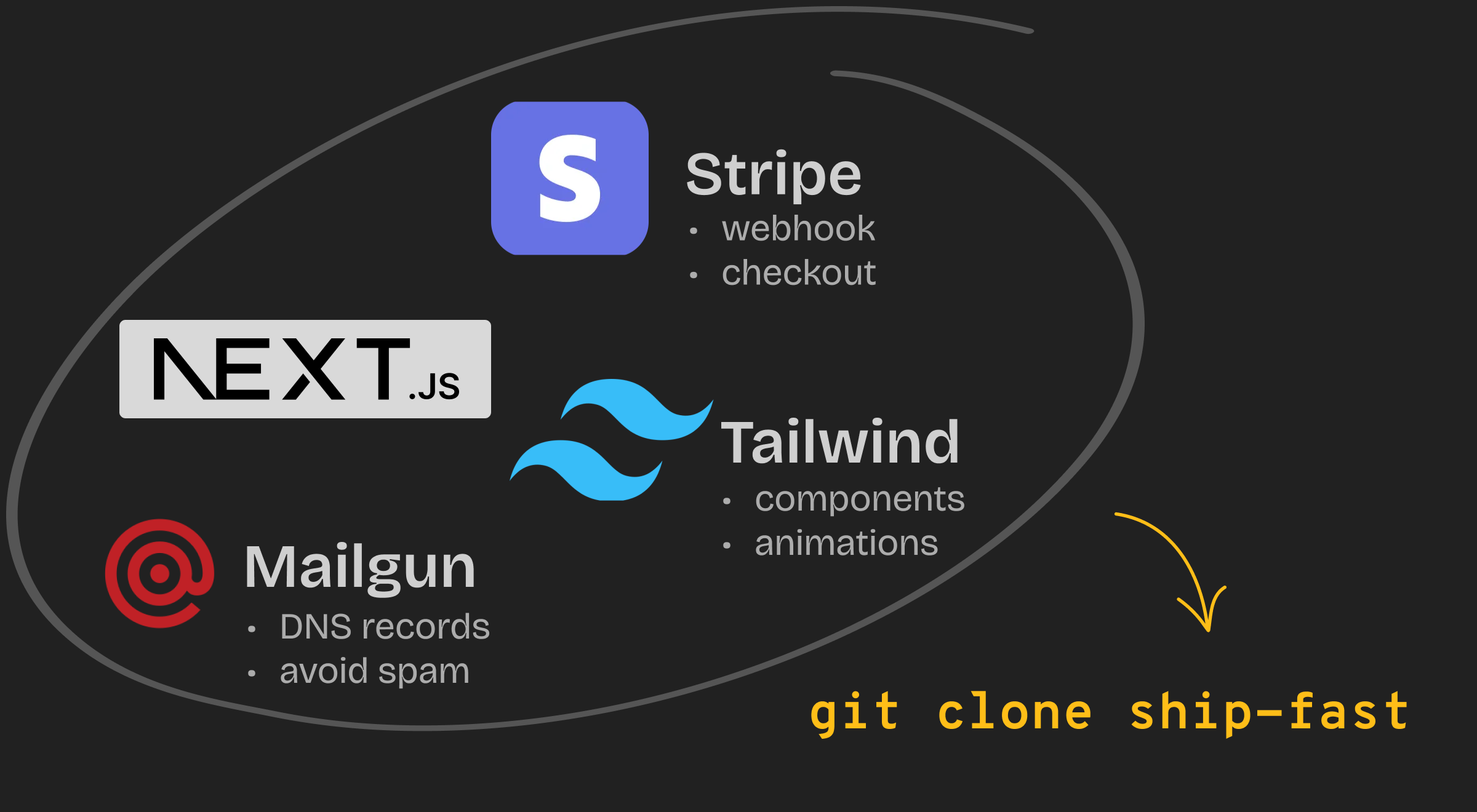
- Next.js 14 with App Router
- Authentication
- Stripe payments
- Email sending
- SEO optimization
Best fit for: solo founders and small teams validating paid products quickly.
Watch out for: heavily opinionated defaults can require refactoring as product complexity grows.
Supastarter
Supastarter offers production-ready templates with broader use cases beyond core SaaS, including newsletter and e-commerce variants.
- Next.js and Nuxt
- Authentication
- Database with Prisma
- Stripe payments
Best fit for: teams that want flexibility across product directions and frameworks.
Watch out for: wider scope means you should trim unused pieces early.
Nextbase
Nextbase provides a cleaner baseline with focus on TypeScript discipline and maintainable structure.
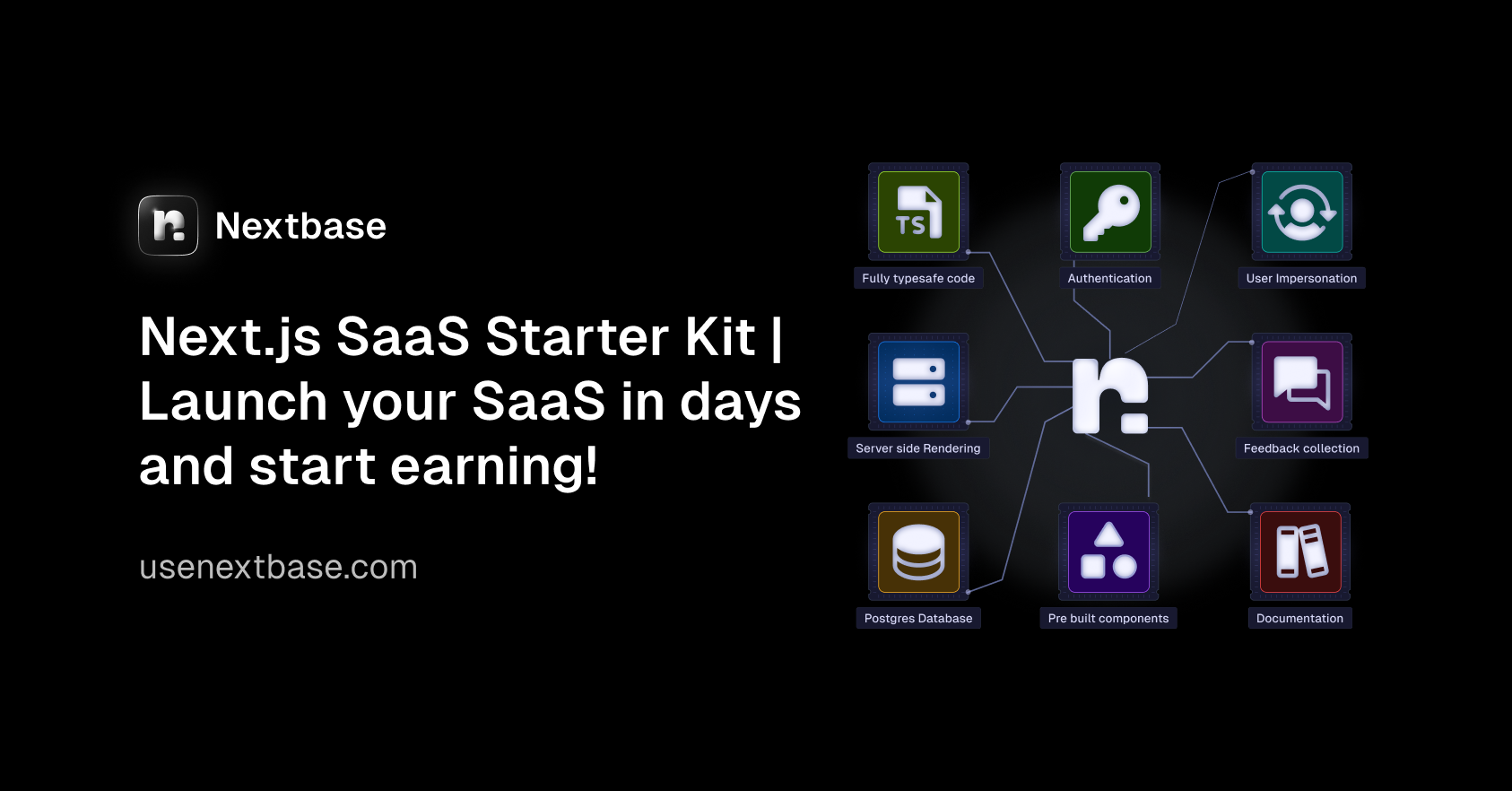
- Clean architecture
- TypeScript throughout
- Component library
- Authentication
Best fit for: teams that value a clear architecture they can extend confidently.
Watch out for: you may still need to add specialized workflows for your domain.
Precedent
Precedent is more toolkit-oriented than full-suite boilerplates, with reusable patterns for teams that prefer building up from a leaner base.
- Next.js 14 setup
- Authentication
- UI components
- Utilities
Best fit for: teams that want sensible defaults without a heavy all-in-one framework layer.
Watch out for: if you need complete SaaS scaffolding on day one, you may need additional setup.
How to Choose
Use this decision sequence:
- Backend preference first - Supabase-centric vs Prisma/custom backend direction.
- Auth model second - hosted identity provider vs app-managed flow.
- Billing complexity - simple subscriptions vs tiered enterprise contracts.
- Team profile - solo execution speed vs multi-dev maintainability.
- Customization horizon - what you can accept now vs what you will refactor later.
Editorial Takeaway
All five options can ship real products. The best choice depends less on feature checklist and more on how your team works:
- If speed dominates, choose the most opinionated path you can tolerate.
- If maintainability dominates, choose the cleanest architecture your team can own.
- If your product direction is uncertain, choose flexibility and prune aggressively.